Colour · Crocin
Deep colouring power
The carotenoid crocin gives saffron its colour. Pure stigma carries the most of it, so a few threads turn liquid a rich golden amber.


Call Us (WhatsApp)
+91 7807 171093Send Us Mail
Info@CrownTroca.comOur Location
Panaji, North Goa, Goa - 403001, India Crown Troca · Prime Products
A GradePampore, KashmirCrocus sativus L.
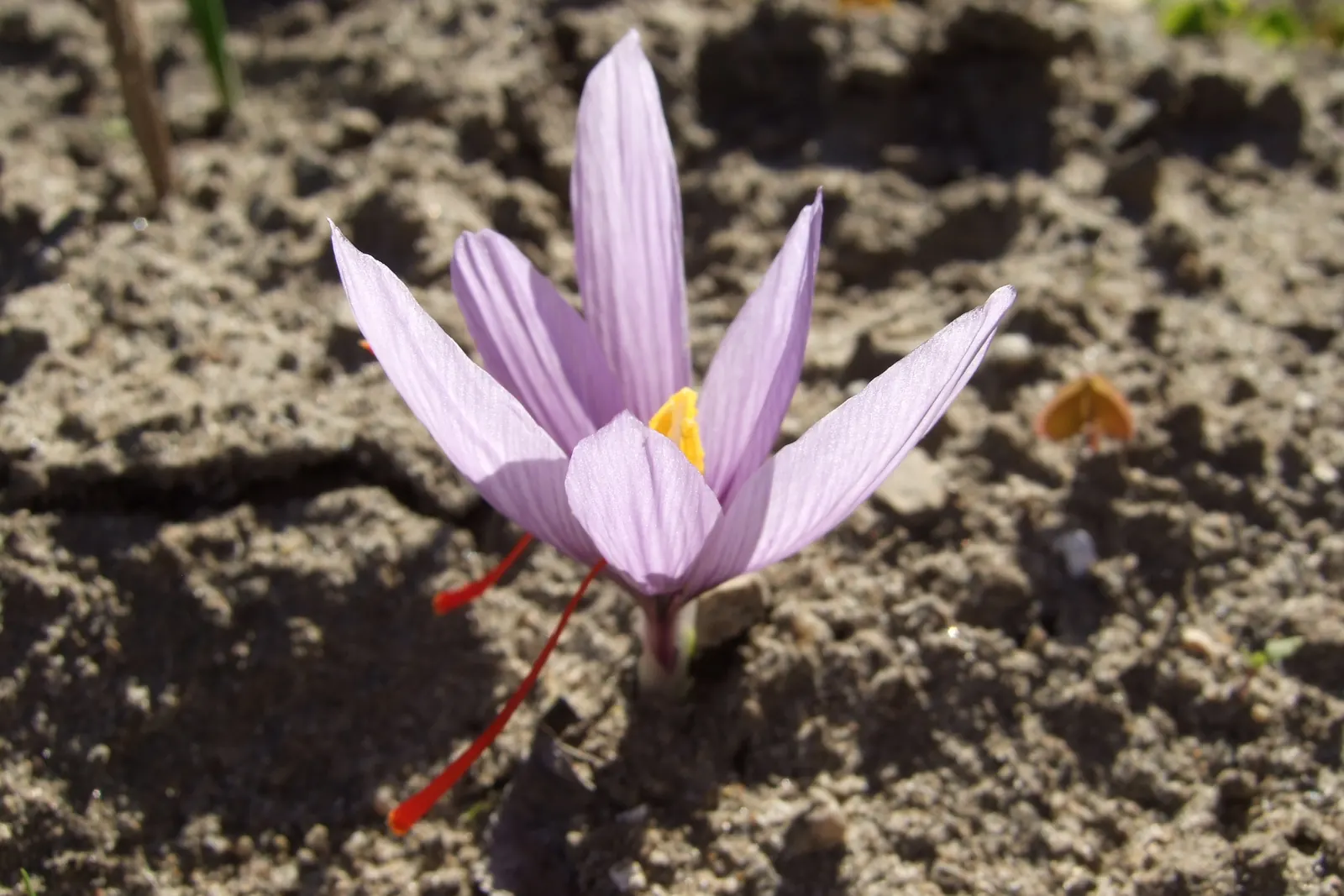
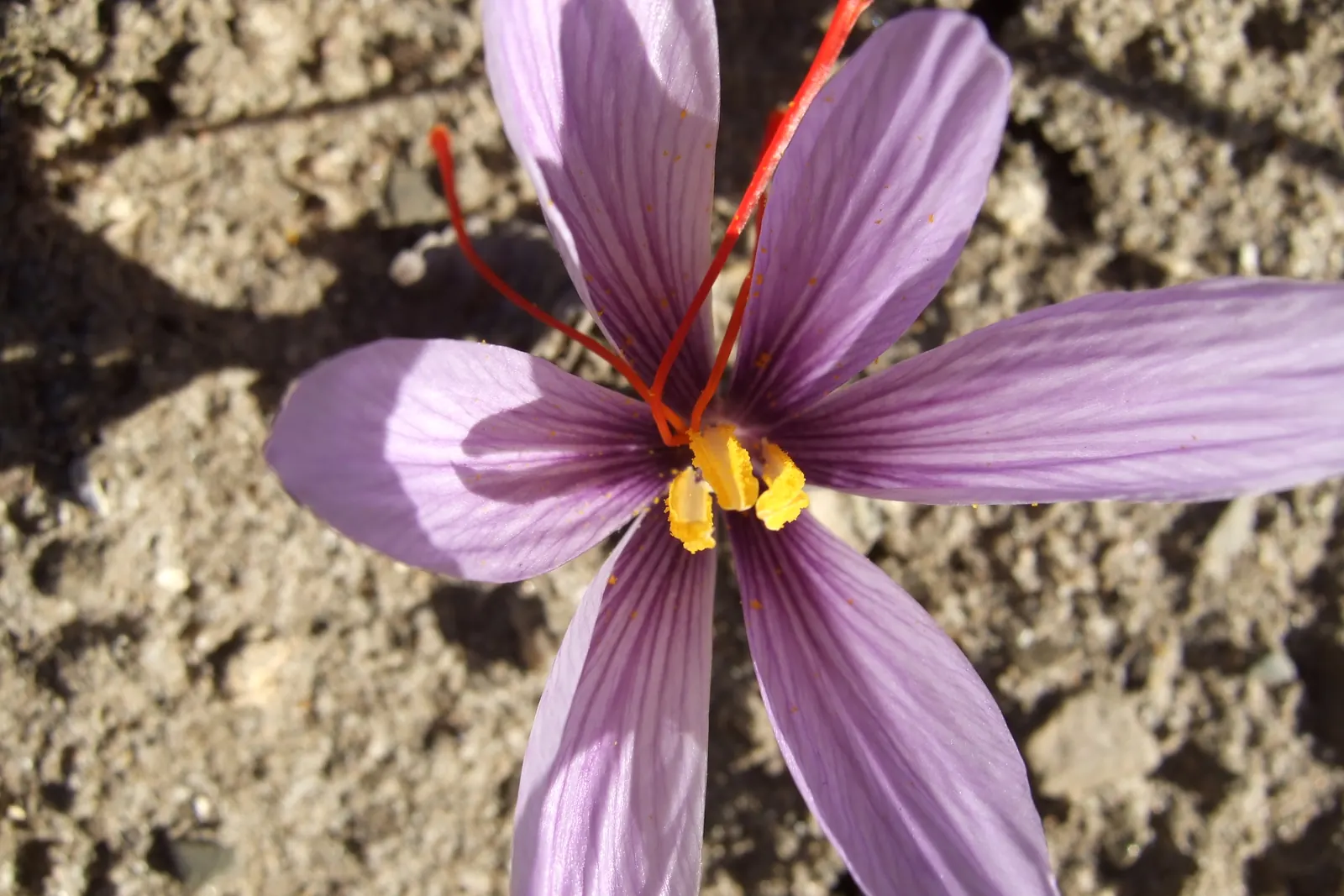
Only the crimson tip of the stigma, hand-picked at dawn on the Karewa plateaus of Pampore, separated by hand and dried the way Kashmir always has. No chemicals. No colour. Nothing added.
The Red Gold of Kashmir
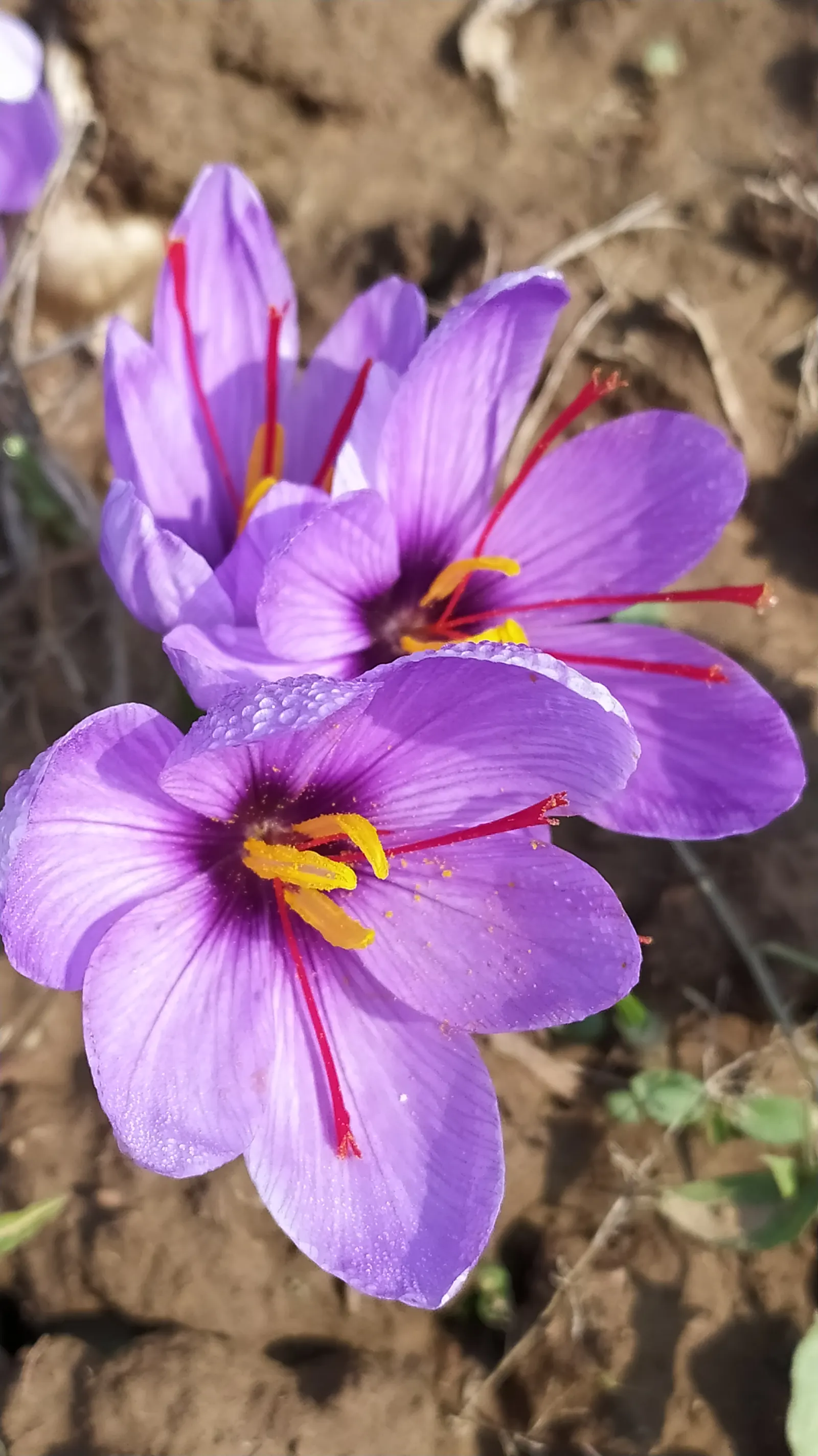
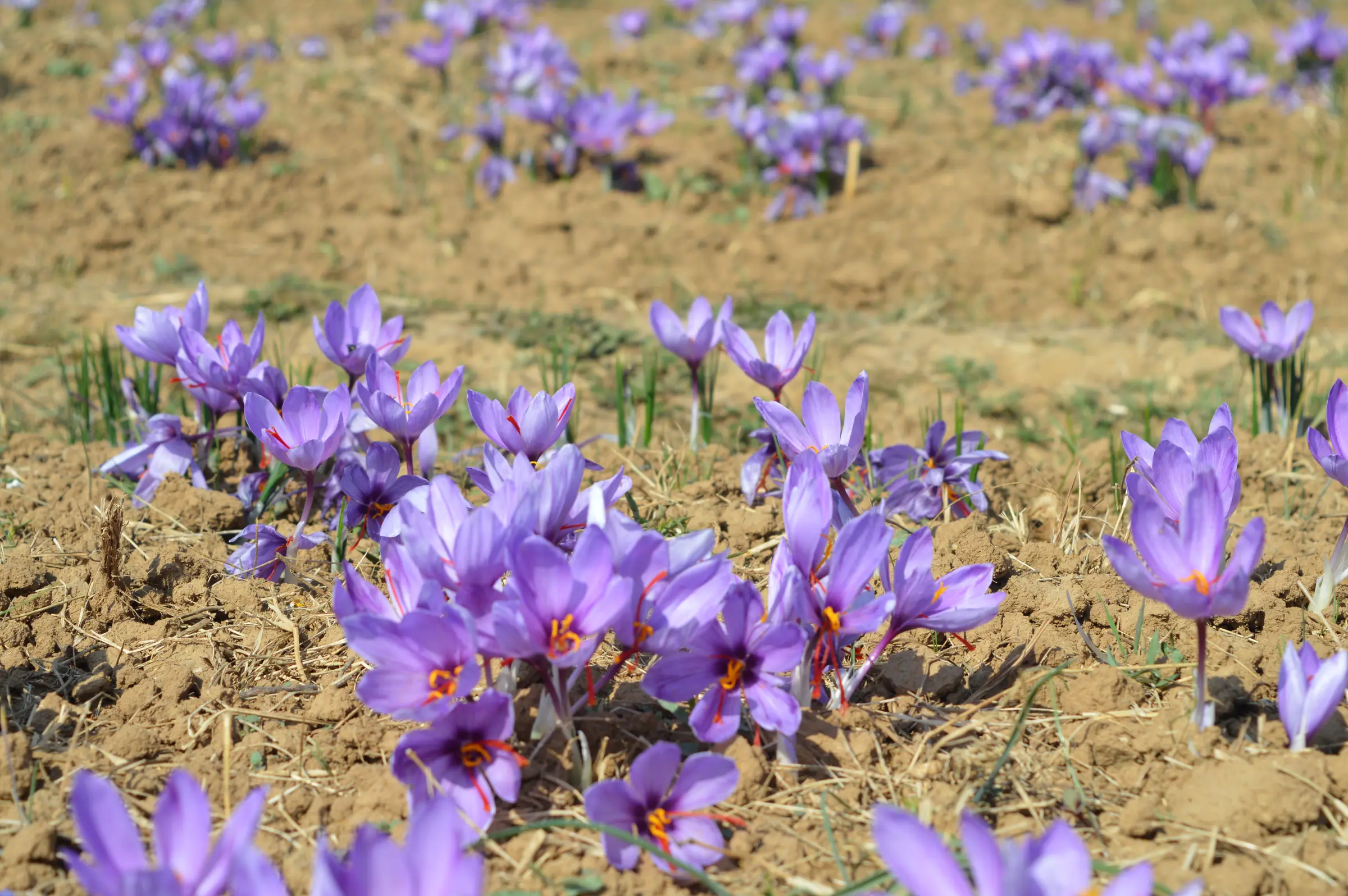
Every autumn, for about three weeks, the Karewa plateaus of Pampore turn violet. Each saffron crocus carries just three crimson stigmas, and every one of them is picked and separated by hand. It takes roughly 150,000 flowers to make a single kilogram of dried saffron.
Mongra is the finest cut of that harvest: only the deep-red upper stigma, with the pale yellow style removed entirely. It is the most concentrated form of Kashmiri saffron, richest in colour, aroma and flavour, and it is the grade that goes into every Crown Troca jar.
Kashmir Saffron is a registered Geographical Indication of India, protected by origin and recognised for its long, thick stigmas, natural deep-red colour, strong aroma and bitter flavour.
GI Registry of India · Application No. 635 · registered 2020
Know What You Buy
Kashmir sorts its saffron by how much of each thread is kept. The difference is visible to the eye, and it is the difference in price, colour and aroma.
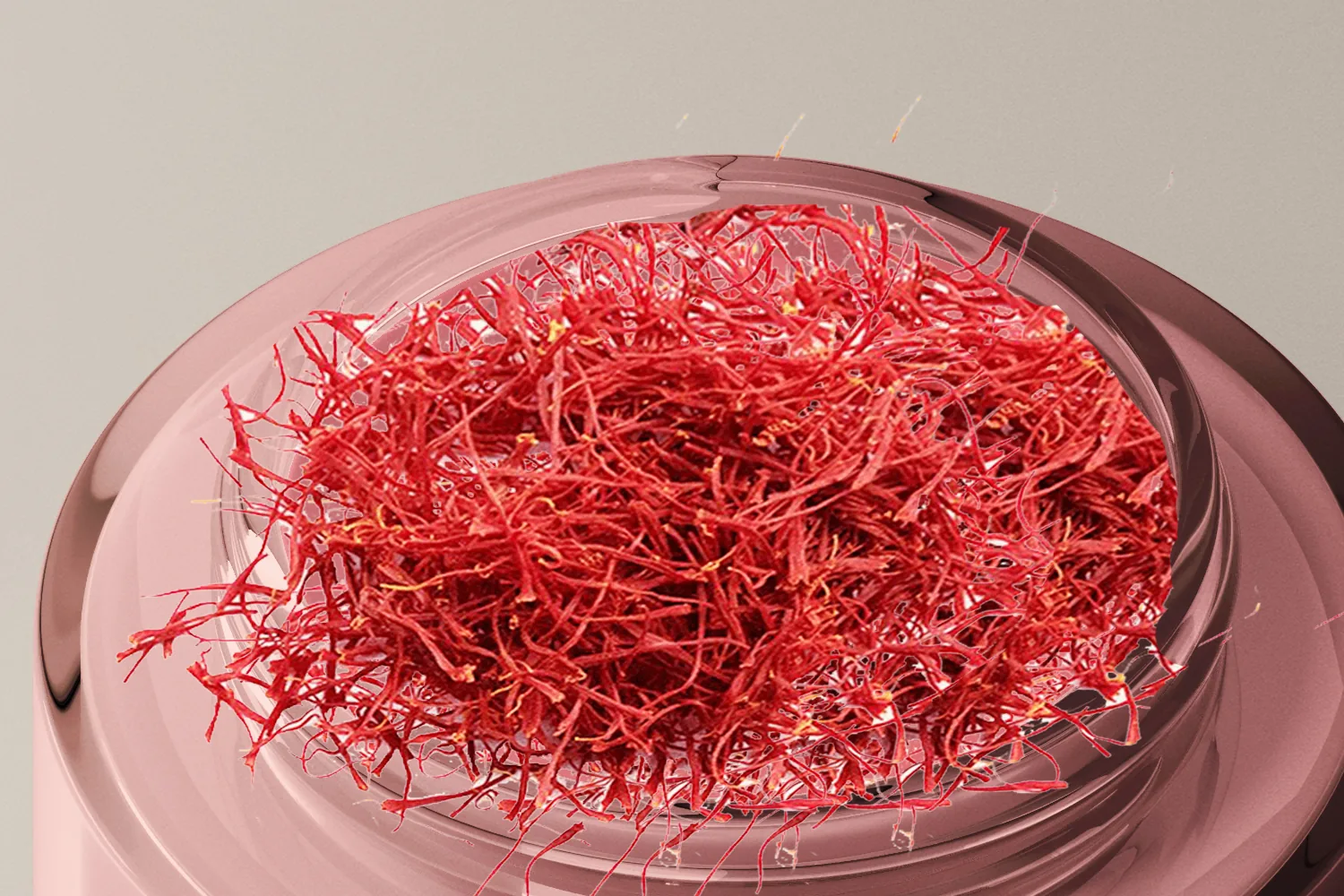
Crimson stigma tips only, with the style fully removed. Deepest colour, strongest aroma and the highest concentration of everything that makes saffron valuable.
The whole stigma with part of the yellow style still attached, dried as picked without further cutting.
Lachha threads gathered together and tied into small bundles with cloth thread.
The yellow style on its own. It carries little colour or aroma and is never part of Mongra.
Quality
Saffron's value lives in three natural compounds and in what is left out. Mongra keeps only the part of the flower where those compounds concentrate.
Colour · Crocin
The carotenoid crocin gives saffron its colour. Pure stigma carries the most of it, so a few threads turn liquid a rich golden amber.
Aroma · Safranal
Safranal gives saffron its warm, honey-and-hay fragrance, the note prized by perfumers, attar houses and chefs alike.
Taste · Picrocrocin
Picrocrocin gives real saffron its clean, slightly bitter taste. Genuine saffron is never sweet.
Purity
No yellow style, no flower waste, no added colour, oil or moisture. What you weigh is saffron, and only saffron.
ISO 3632 is the international reference for grading saffron. It measures crocin (colouring strength), picrocrocin (bitterness), safranal (aroma) and moisture, and places saffron into categories, with Category I the highest.
Terroir
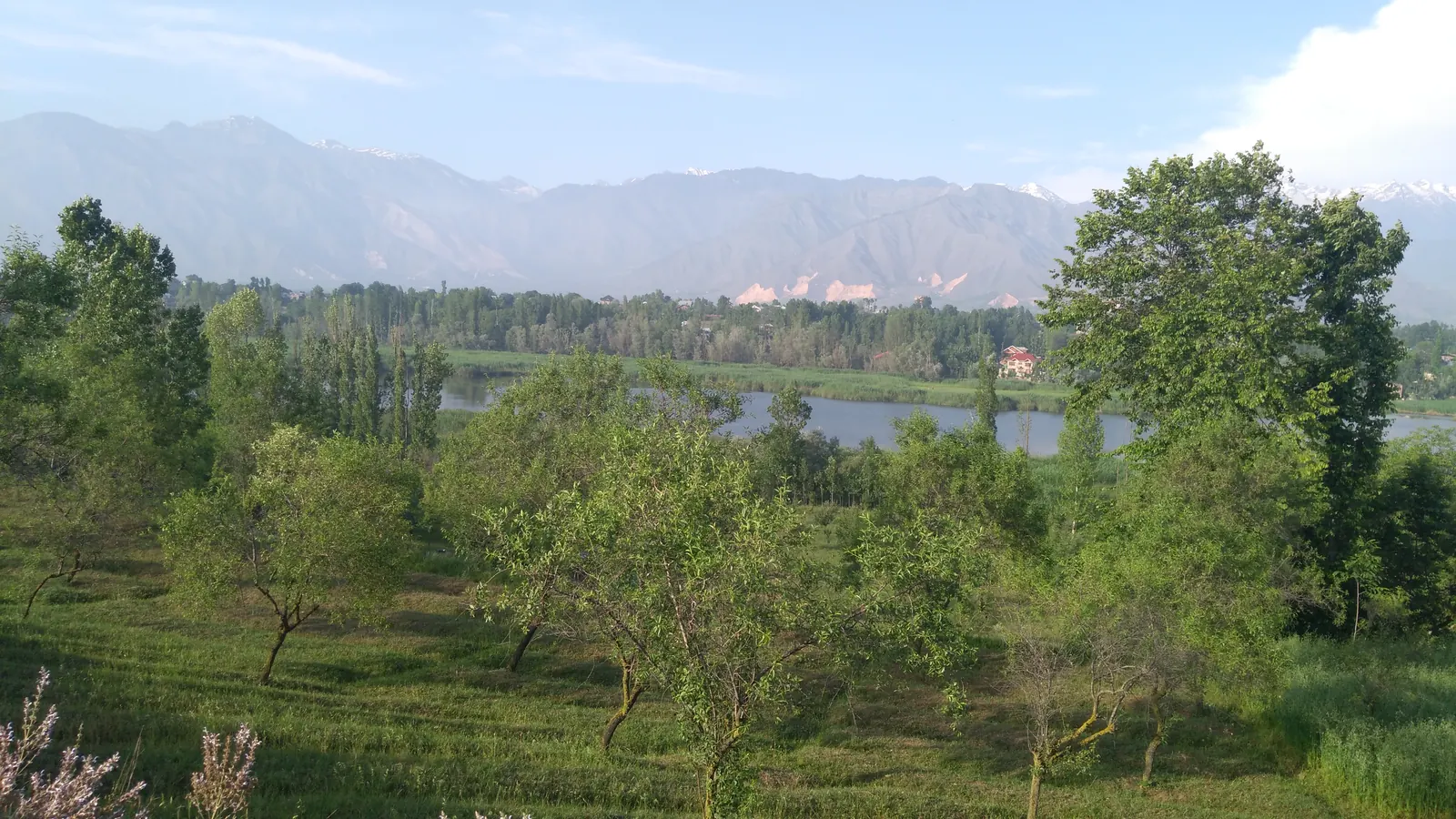
The Karewas are high, flat-topped tablelands of ancient lake-bed soil that rise above the Jhelum around Pampore. Well-drained, cool and sitting 1,600 to 1,800 metres above sea level, they give Kashmiri saffron its long, thick threads and its depth of colour.
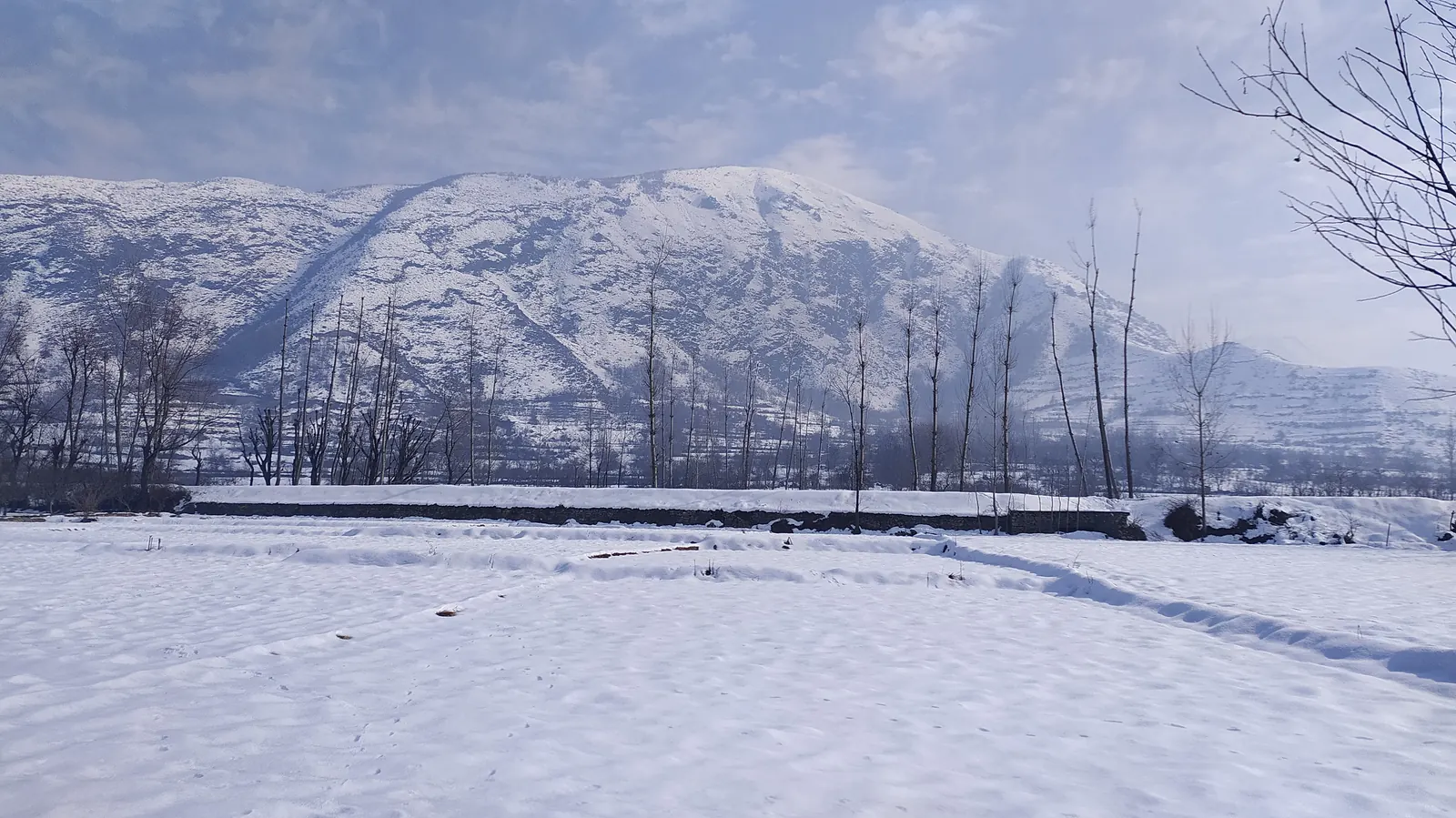
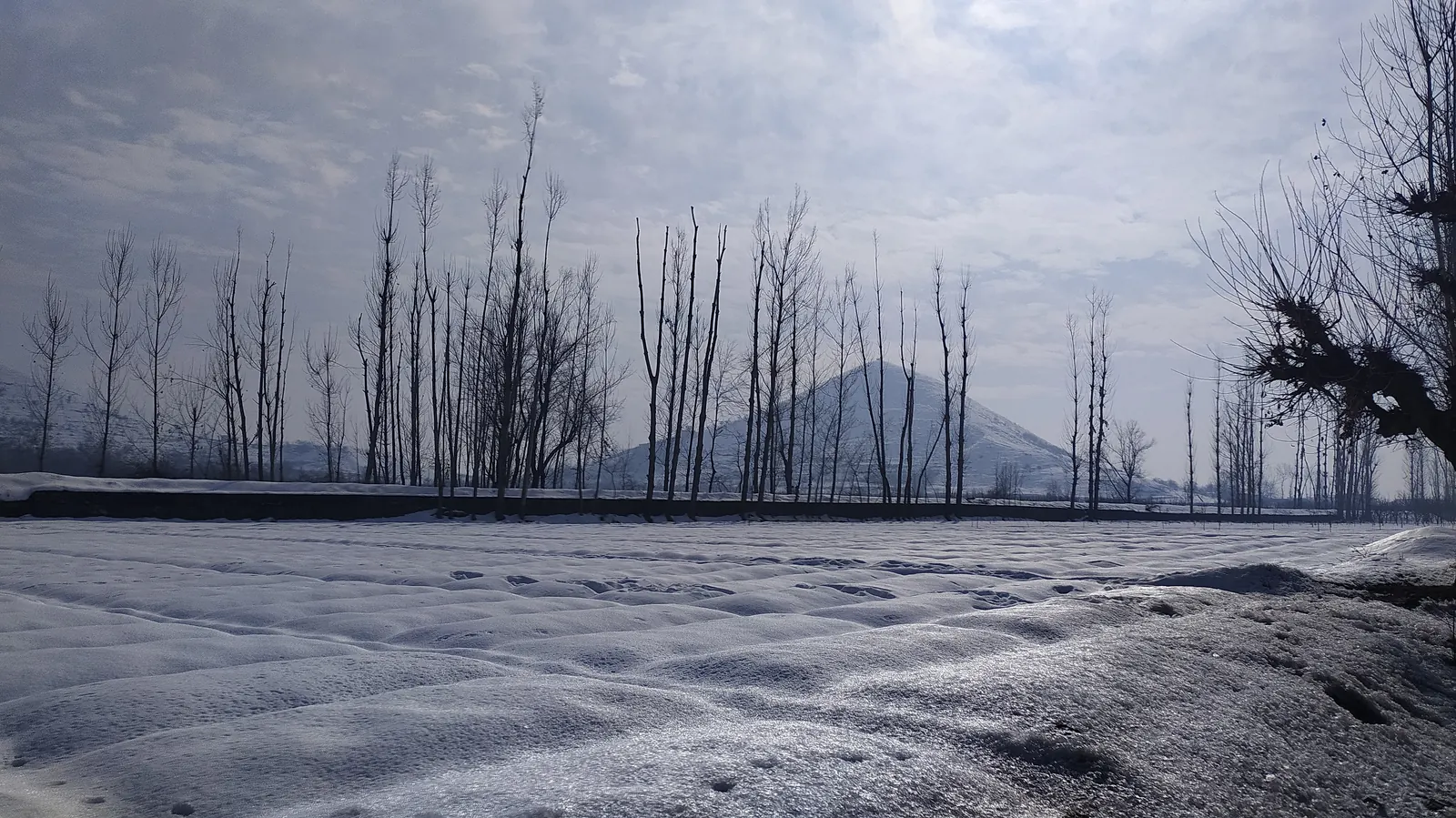
Saffron fields beneath the Himalaya in winter · Ladhoo, Pampore
From Corm to Crimson
A year in the life of a saffron field on the Karewa, unchanged in its essentials for generations. Every step is done by hand.
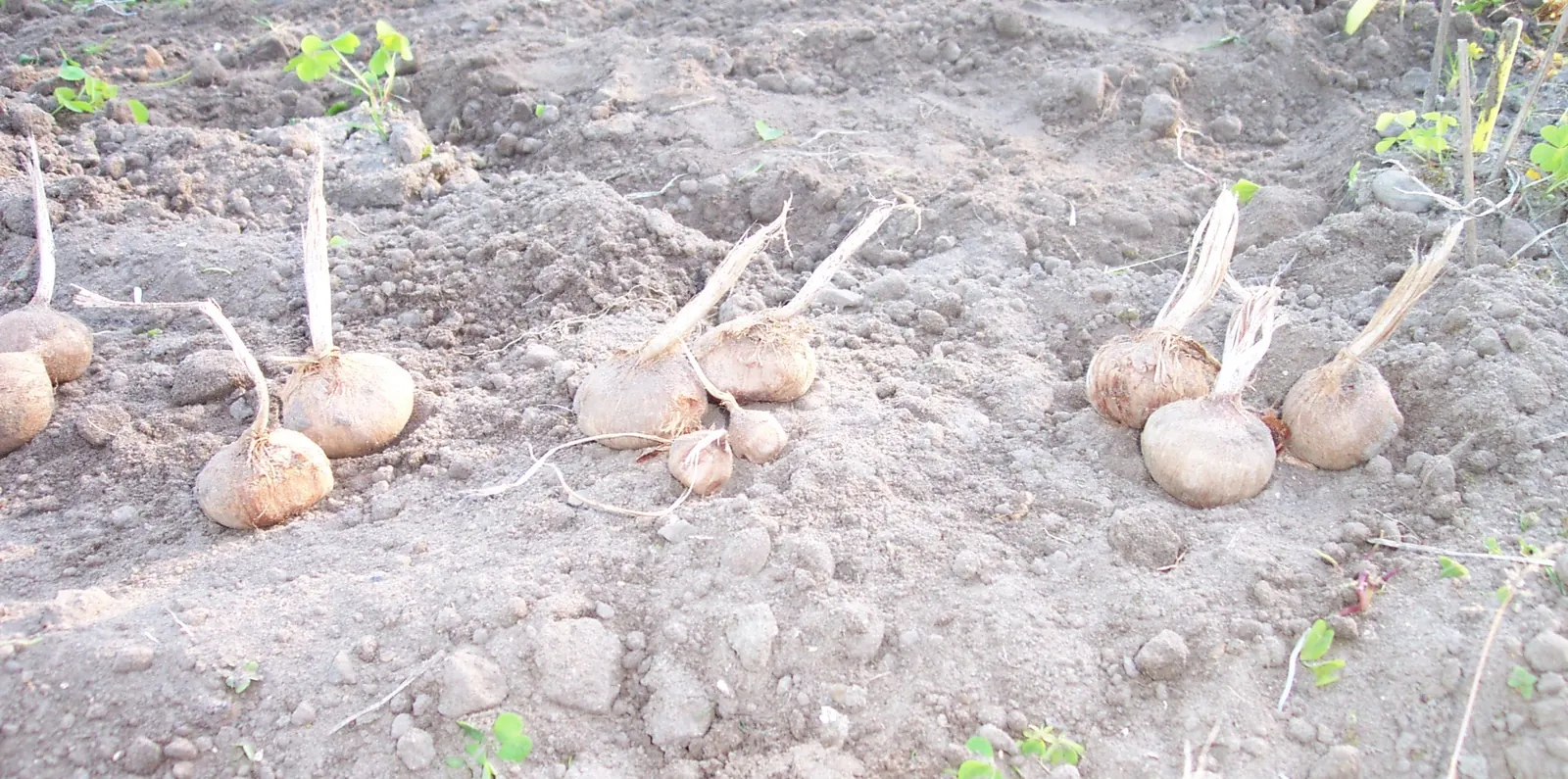
01Summer
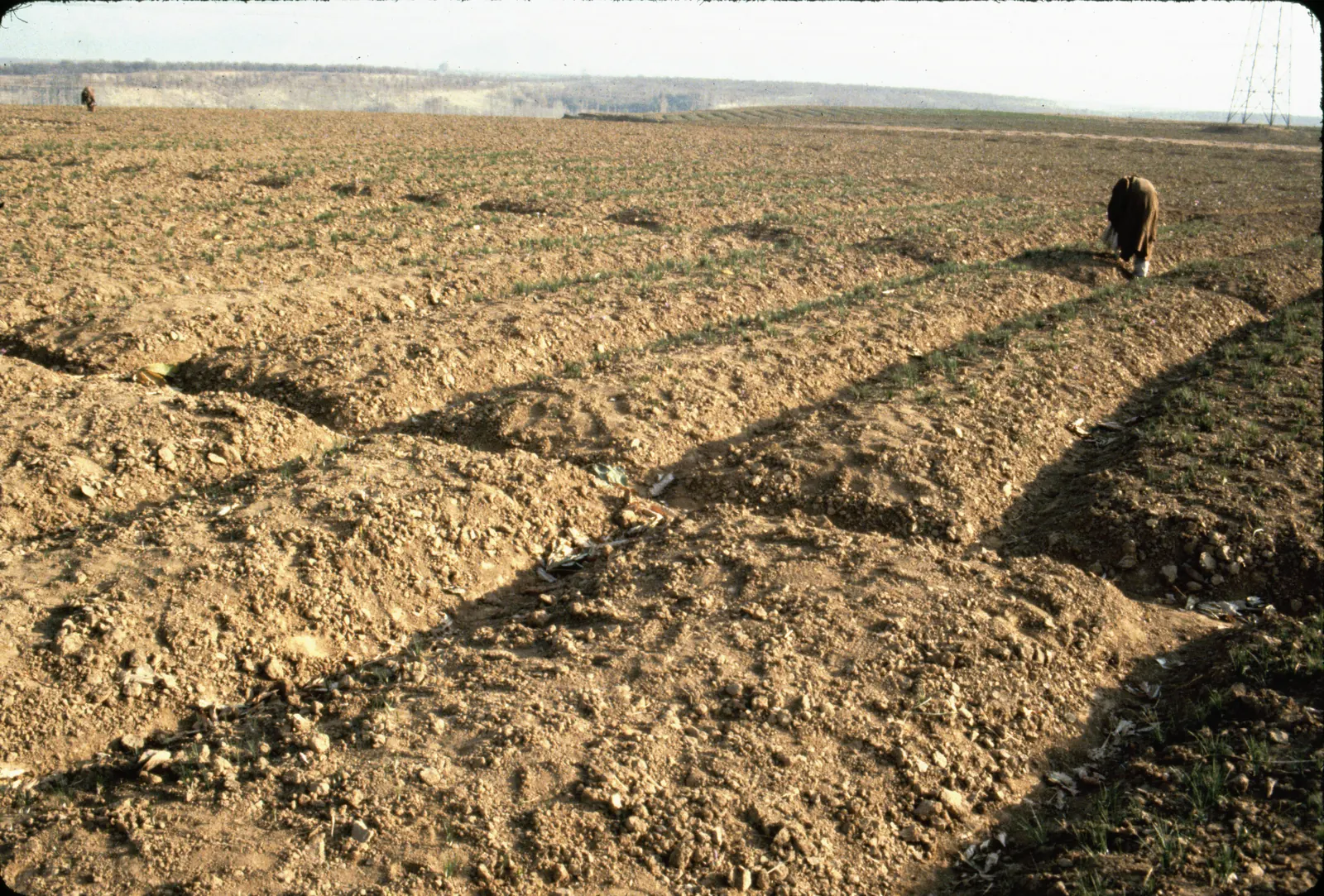
Saffron grows from corms, not seeds. In late summer, farmers set them by hand into raised beds on the Karewa, edged with shallow channels so that water never stands on the crop.
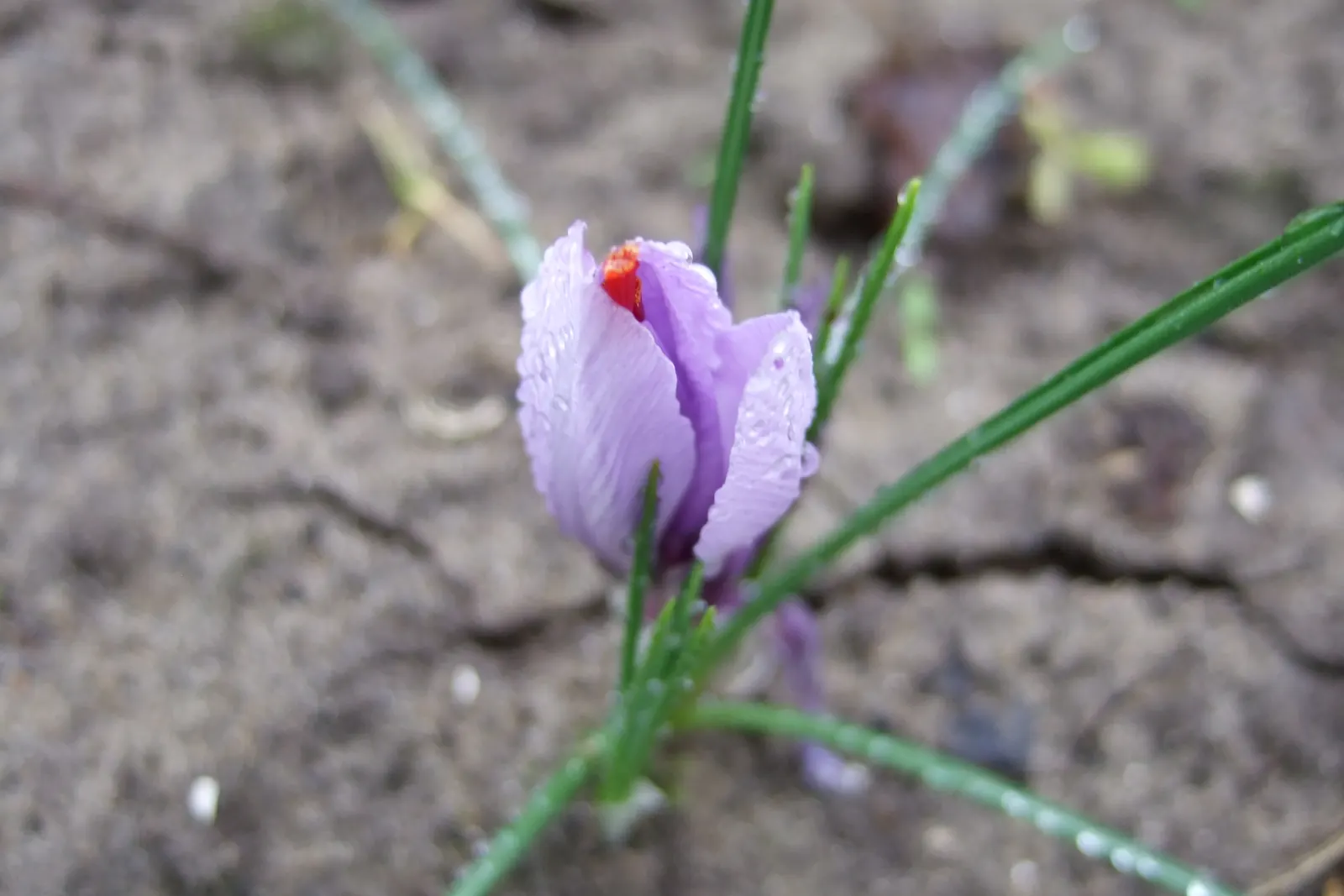
02Early autumn
With the autumn rains the corms wake. Fine, grass-like shoots push through the soil, and within weeks the first violet buds follow.
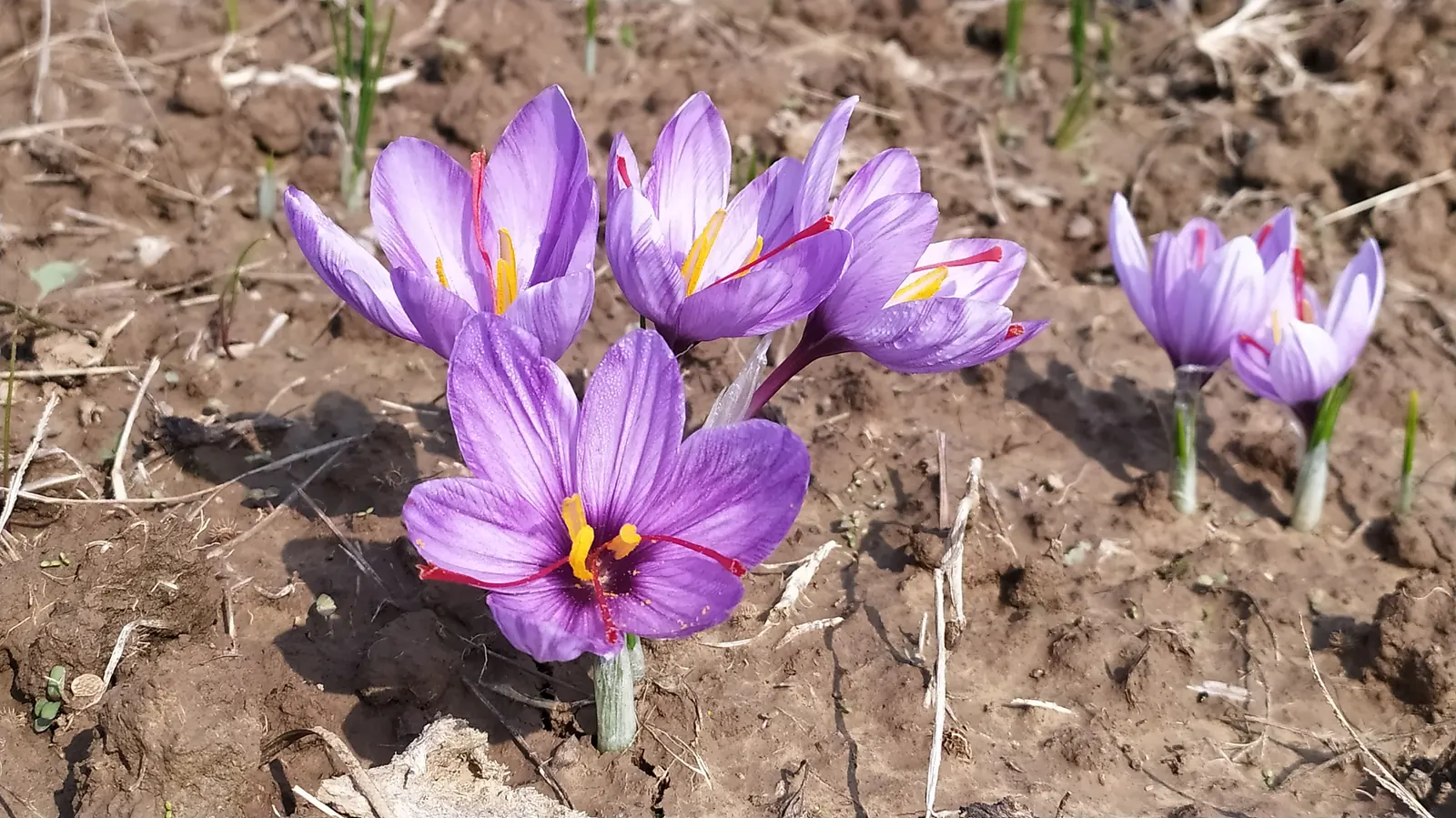
03Late October
From the second half of October into early November, the fields flower in waves. Each flower is gathered the morning it opens, before it fades.
04At dawn
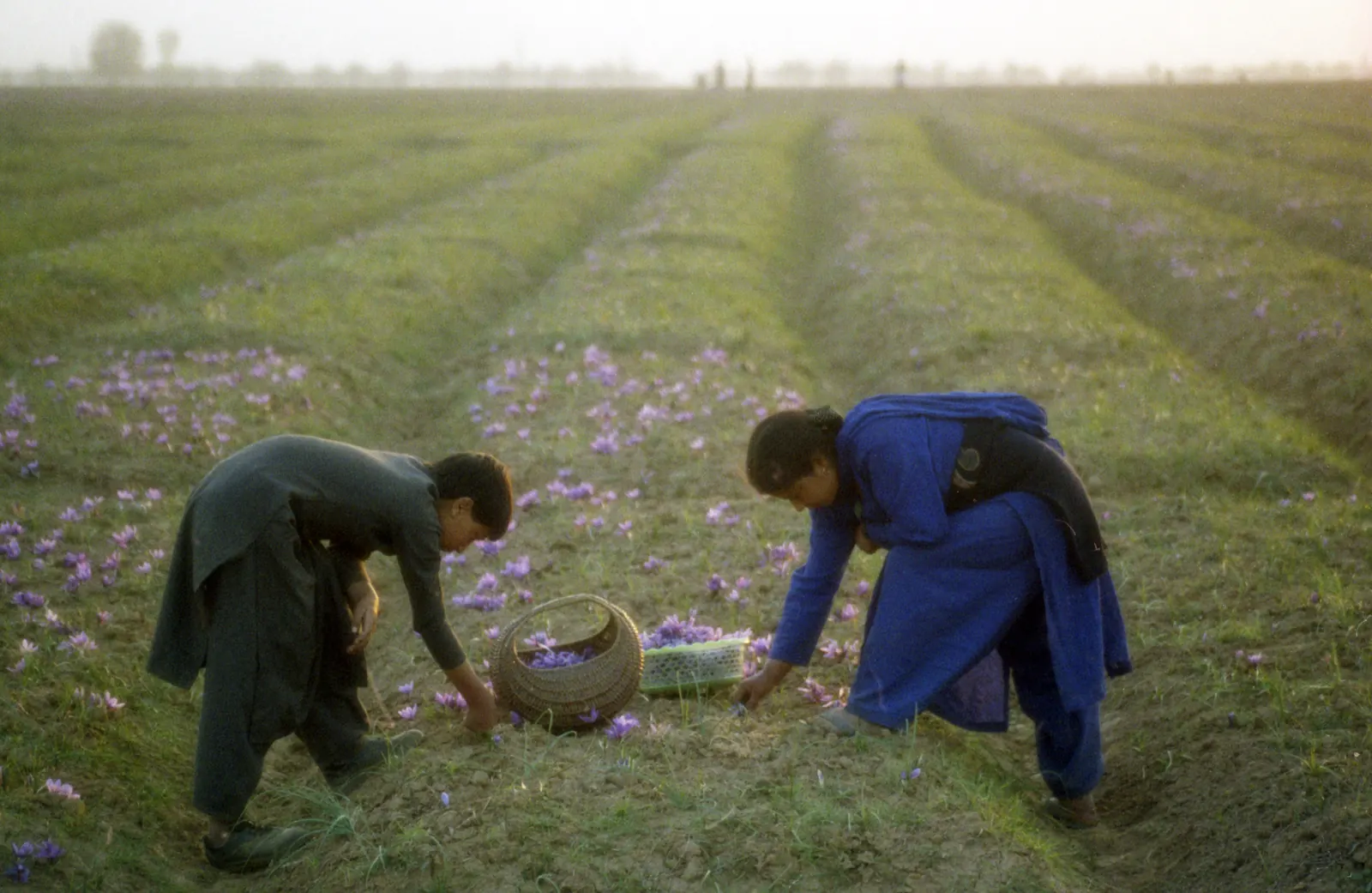
Families walk the beds at first light, before the sun opens the petals wide, lifting each flower by hand into baskets. There is no machine for this.
05The same day
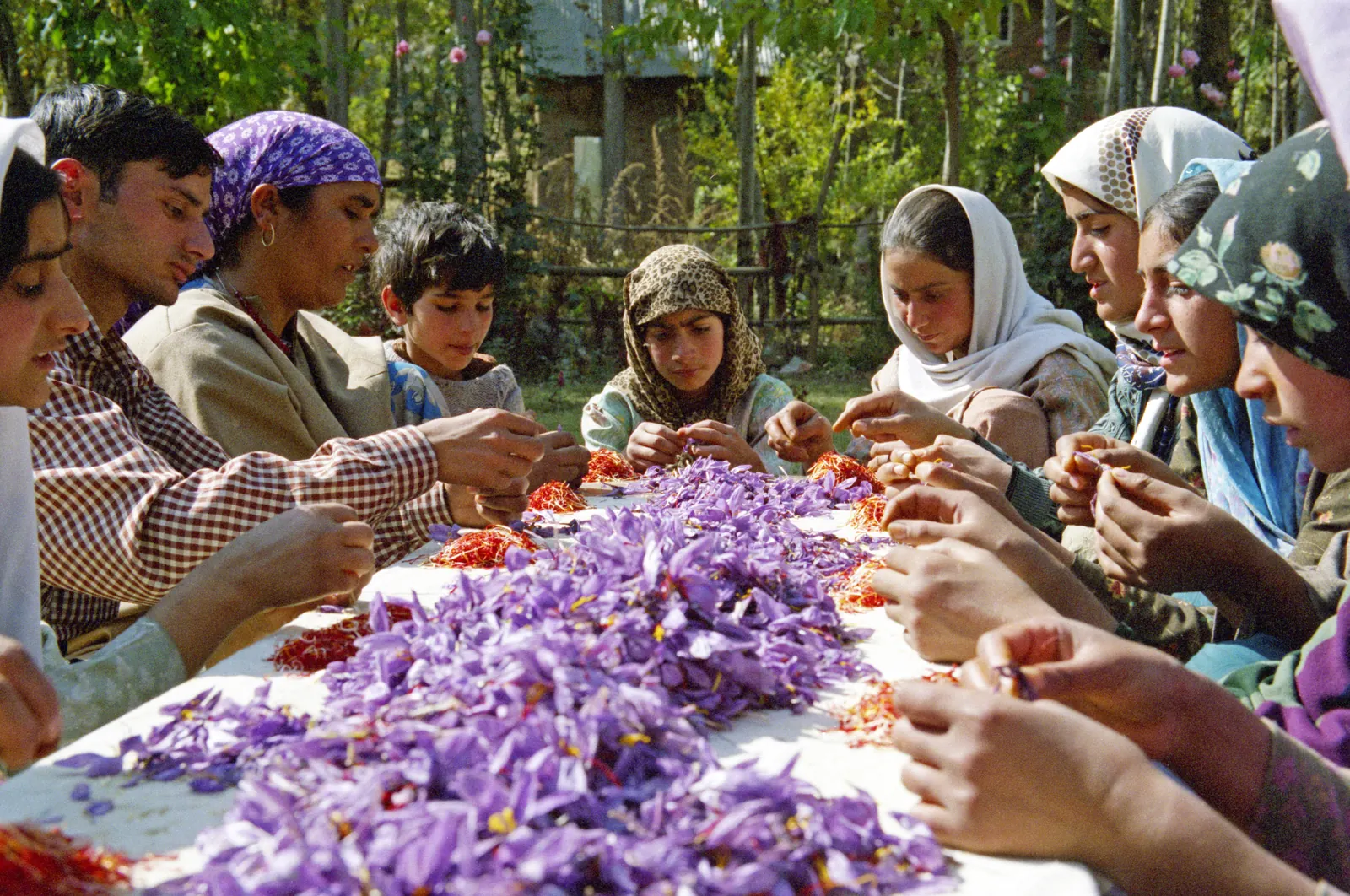
At home the whole family gathers around the harvest. Each flower is opened and its three crimson stigmas drawn out one by one, slow and skilled work.
06Drying
The fresh stigmas are spread on clean cloth and dried slowly in natural air, with no chemicals, colourants or treatments. About five kilograms of fresh stigmas become one kilogram of saffron.
07Winter
After the harvest the leaves keep feeding the corms through winter while snow blankets the beds and slowly moistens the soil. By summer new corms have formed, and the cycle begins again.
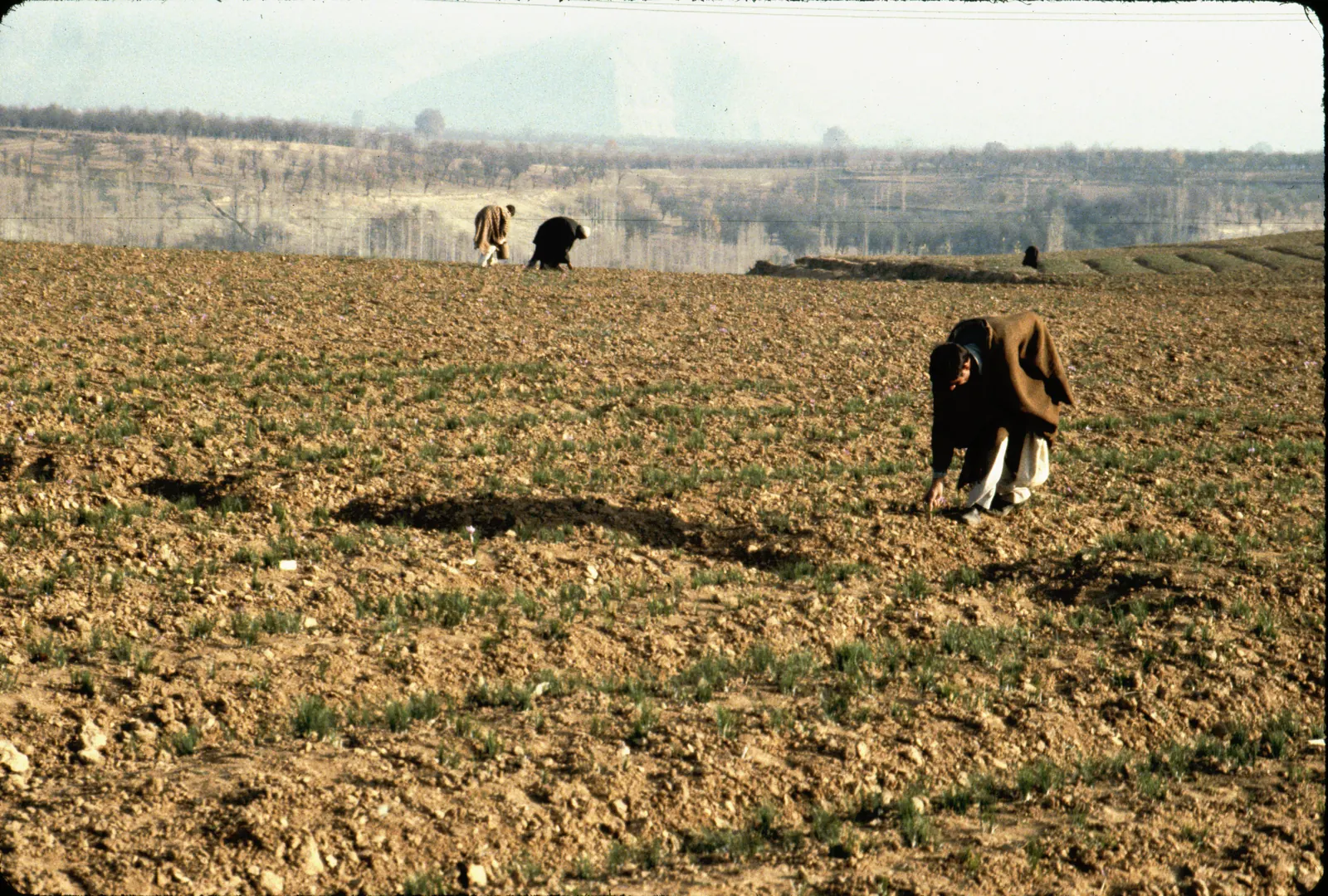
Near Srinagar · 1984 The same fields, the same hands, the same method.
Preserved Without Chemicals
Saffron needs no help to keep. Properly dried and sealed away from light, air and moisture, it holds its colour and perfume naturally. So nothing is added, and nothing is hidden.
The Valley
The Collection
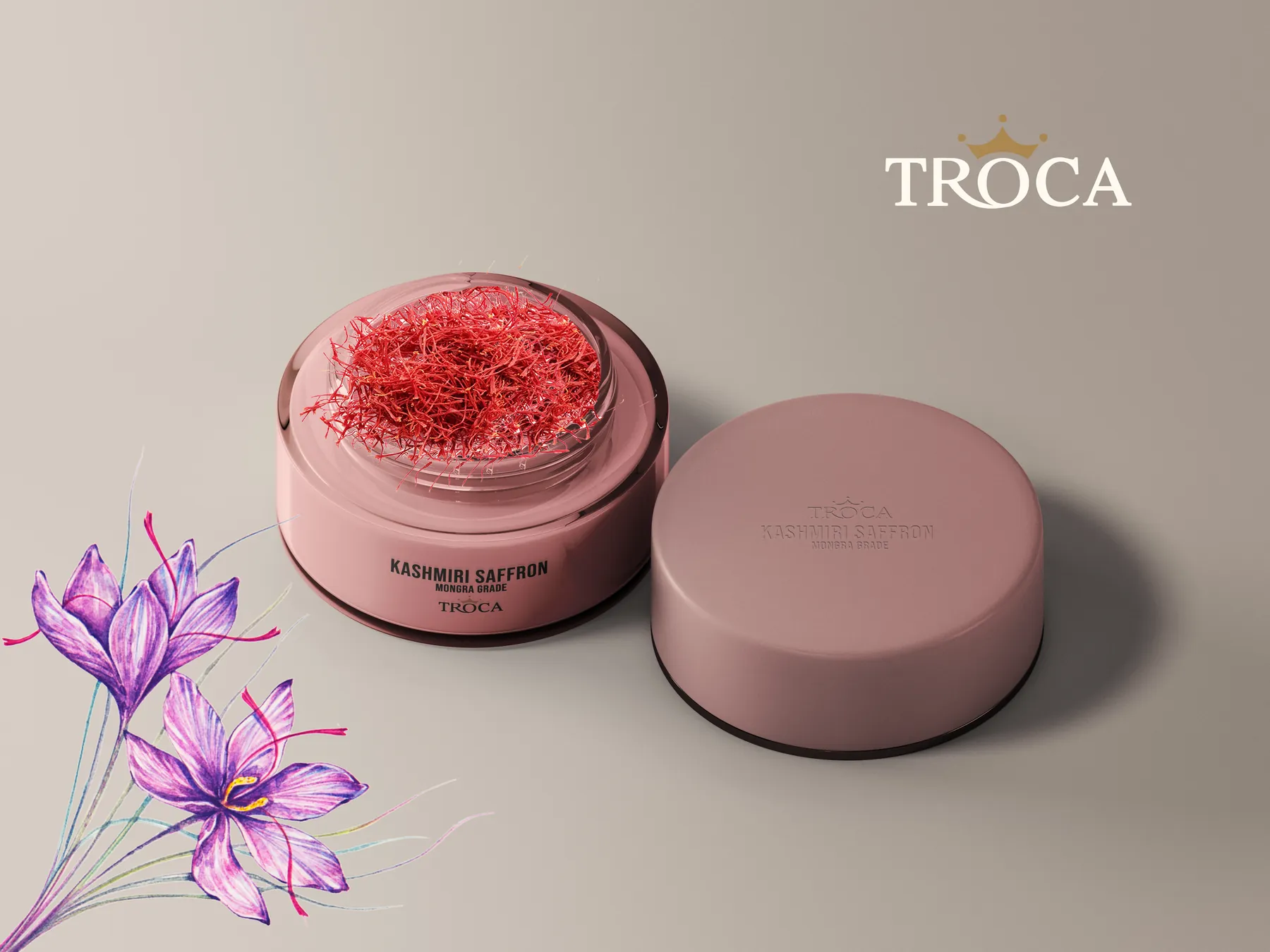
Kashmiri Mongra saffron in Crown Troca packaging, made to protect the threads and to look the part on any shelf.
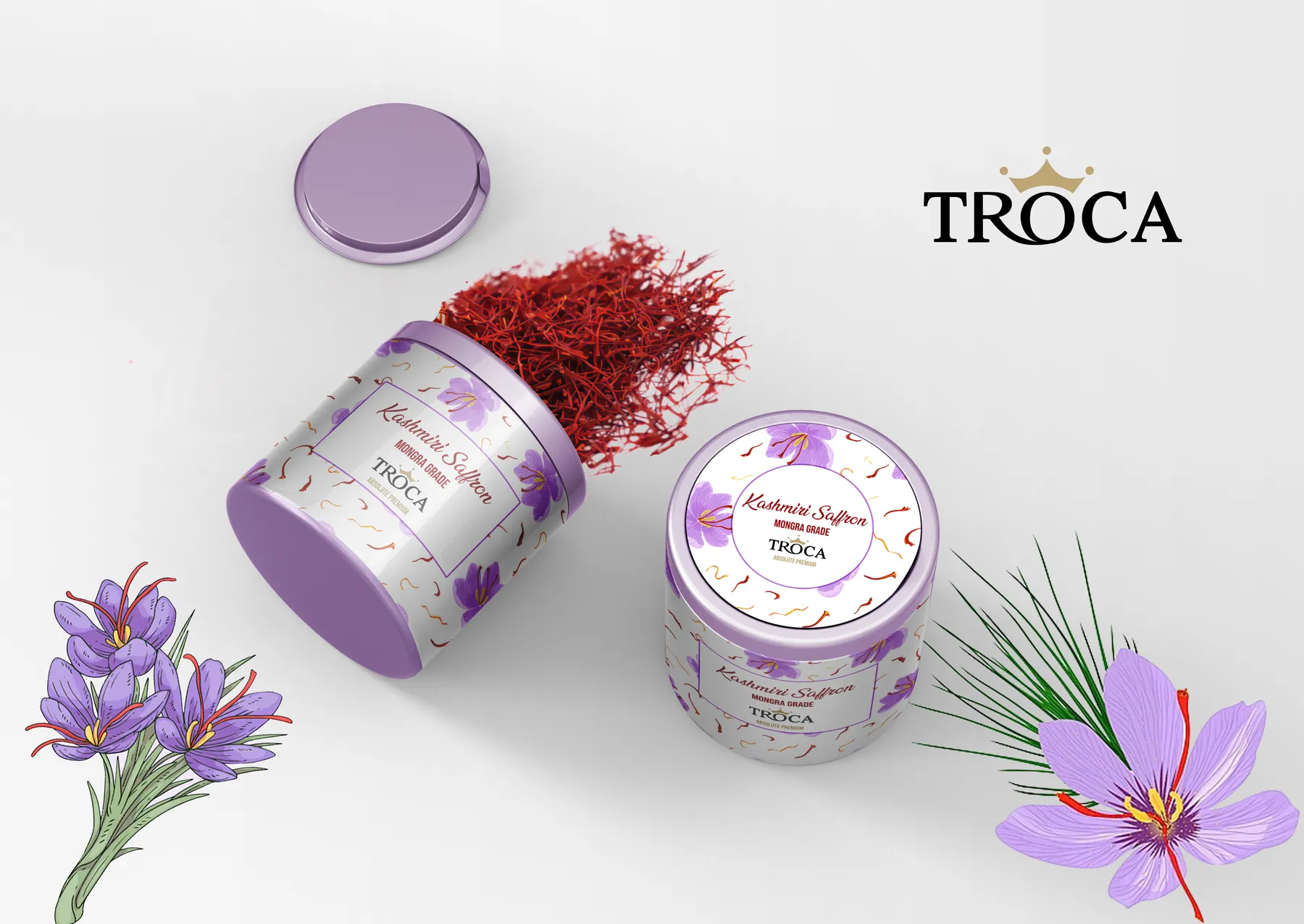
Kashmiri Mongra saffron, A Grade, as supplied by Crown Troca. Lot details are shared with each quotation.
Request Specification & PriceWho It Is For
A pure, intense saffron note for attars, oud blends and fine fragrance.
Biryani, paella, risotto and bouillabaisse, with colour and aroma from a pinch.
Kesar kulfi, kheer, phirni, pastries and chocolates that taste of real saffron.
Kashmiri kahwa, saffron teas, lattes and premium drinks.
Ayurvedic and Unani formulations, skin care and premium wellness lines.
Authenticity
Saffron is the world's most imitated spice. These are the simple checks experienced buyers use, and the ones we invite you to make with every sample.
Drop a few threads into warm water. Real saffron releases a golden-yellow colour slowly, over minutes, and the threads stay red. Dyed imitations bleed red at once and turn pale.
Mongra threads are crimson from end to end, with a flared, trumpet-shaped tip and no yellow tail.
A deep, honeyed, hay-like perfume and a clean bitterness on the tongue. Sweetness is a warning sign.
ISO 3632 analysis measures crocin, picrocrocin, safranal and moisture: the objective way to compare one lot of saffron with another.
Your Partner at Origin
Crown Troca Private Limited is a Goa-based food export house built on a family legacy of farming and agricultural trade that reaches back to the 1900s.
Saffron from the Karewa of Pampore, the heartland of Kashmir's GI-registered crop.
Fair, transparent pricing and long-term relationships with the families who farm the land.
Documentation, compliance and logistics handled end to end, from Goa to your door.
Clear communication and consistent quality, season after season. Not a one-off trade.
Questions
Anything else? Write to Business@CrownTroca.com and our export team will answer.
Mongra is the top grade of Kashmiri saffron: only the deep-red upper part of the stigma, with the yellow style cut away. Because nothing but stigma is kept, it has the strongest colour, aroma and flavour of all the Kashmiri grades.
Lachha keeps the whole stigma together with part of the yellow style, and is dried without further cutting. Mongra removes the style completely, so gram for gram it carries more colouring strength and aroma.
Yes. Kashmir Saffron is registered as a Geographical Indication of India (GI Registry, Application No. 635, 2020). The registration covers saffron grown in the traditional saffron areas of Kashmir.
No. The stigmas are separated by hand and dried naturally in the traditional way. No colourants, preservatives, oils or other additives are used.
In an airtight container, in a cool, dry and dark place, away from moisture and strong smells. Light and humidity are what fade saffron's colour and aroma.
Use the quotation form, message us on WhatsApp at +91 78071 71093, or email Business@CrownTroca.com with your market, the packing you need and the quantity you have in mind. Our export team will come back to you directly.
Trade Enquiries
Tell us your market, packing and volume. Crown Troca's export team will prepare a quotation for Kashmiri Mongra saffron.
Crown Troca Private Limited · Panaji, Goa 403001, India
Field photography via Wikimedia Commons, resized and cropped: Umarsami, Salix Oculus (2), Yasir Yousuf Ahanger (2, 3, 4), Ashfaq Ahanger — CC BY-SA 4.0; Urbain J. Kinet, 1984 (2) — no known copyright restrictions; botanical close-ups by Emilie40 — CC0. Product images © Crown Troca Private Limited.